
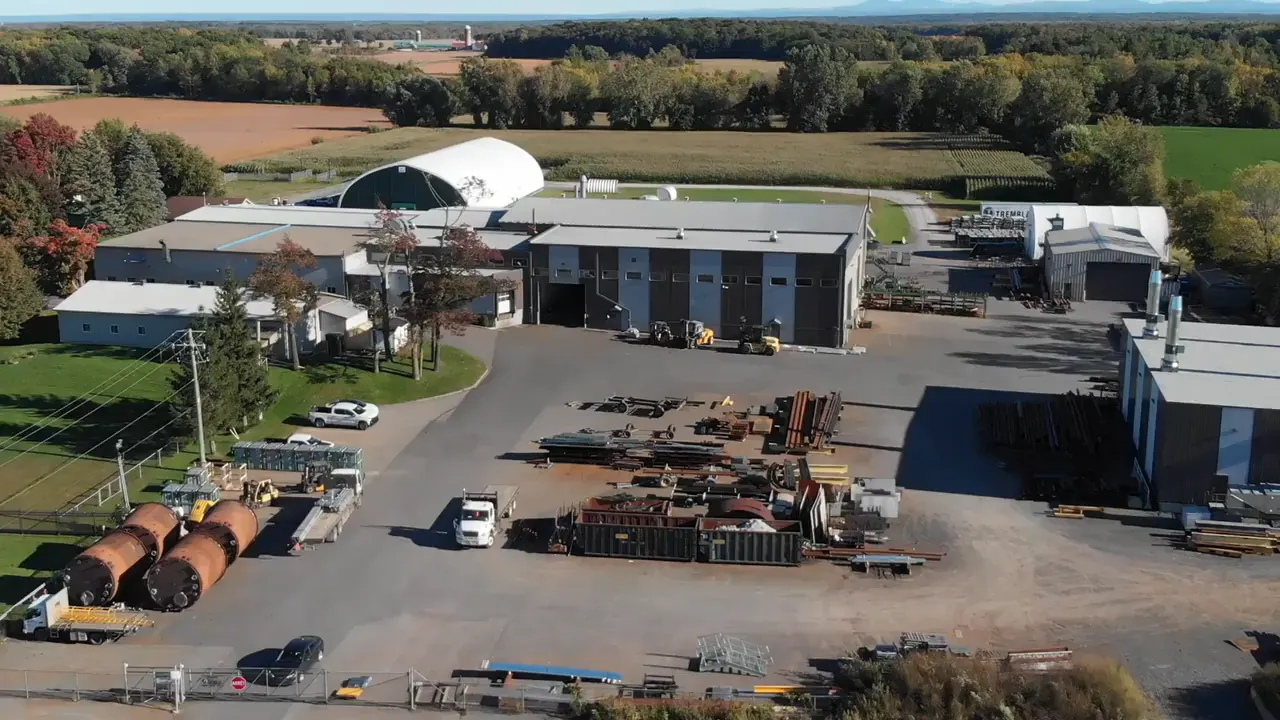
A division of Groupe Tremblay
Productionand recovery ofcathode plates
Cathode plates assembled to each client’s standards, and aluminum cathodes repaired or recycled by robotic welding, from our plant in Saint-Anicet, Quebec.
- 1 million+plates produced
- 60,000+plates recycled
- 22.4%of plates in production made with FSW since 2021
- Up to 60%of raw material recovered through optimized cutting
- 20–30%savings from recycling cathodes rather than buying new sheets
A unique service
Plates built to the standards our clients define
Cathode plates serve as ion sensors in the electrolysis process. Cathode manufacturing involves assembling every cathode component to create a distinctive product that meets the standards of excellence defined by the client.
Unique
Patented, and exclusively operated by us.
Environmentally responsible
Friction stir welding (FSW) reduces waste and pollution.
Competitive
Fast, high-quality and cost-effective with our robotic technology.
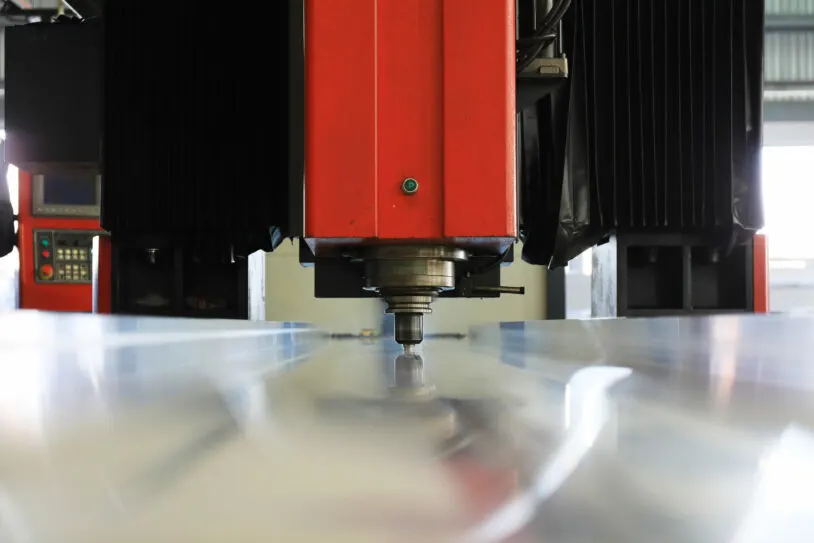
Two ways we serve your tankhouse
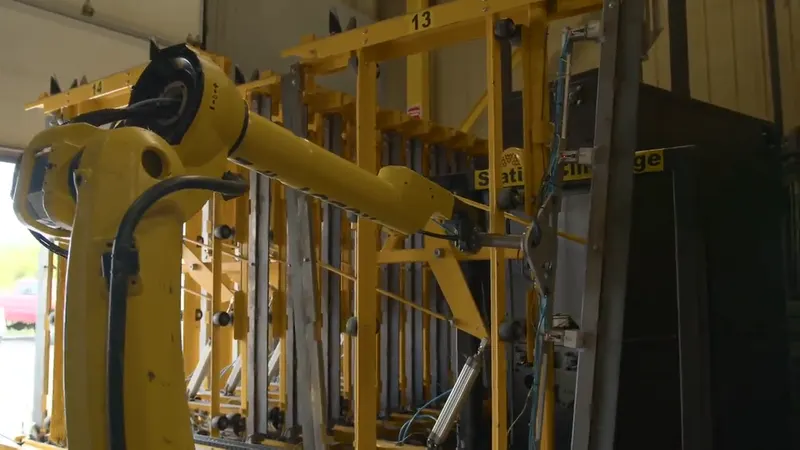
Cathode plate production
Complete cathode assembly to your specifications, for zinc electrowinning and other electrolytic processes.
See production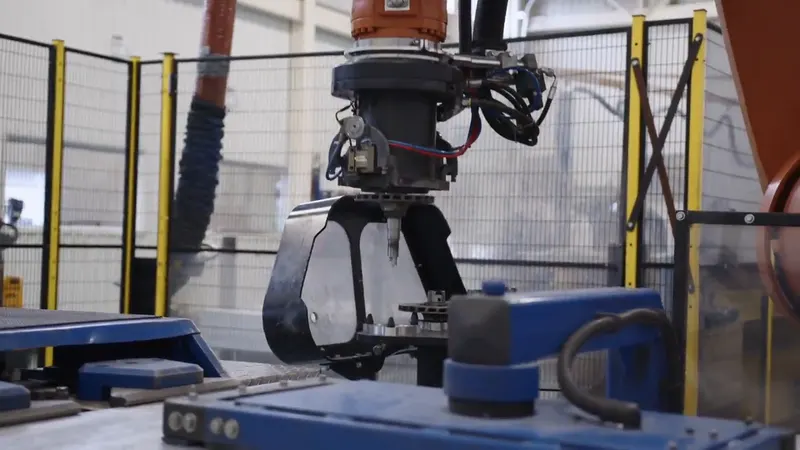
Repair and recycling by FSW
A robotic friction stir welding cell repairs or recycles your used aluminum cathodes, with no consumables or gases.
See FSW recycling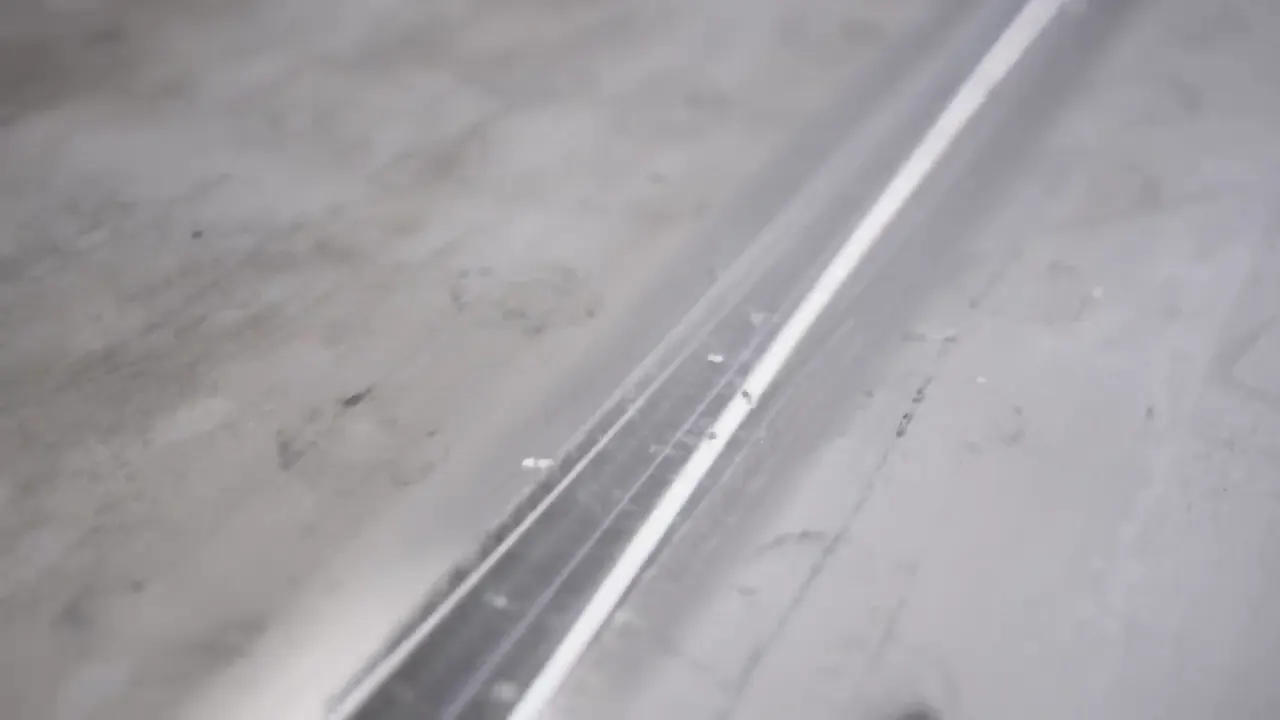
Reuse and recovery
A used plate keeps much of its value
Cathodes have a limited lifespan, but a significant proportion of the material remains viable and retains its properties. Working with partners, we developed an innovative process to recycle used plates.
This environmentally responsible installation delivers substantial savings and a competitive advantage. Since it was commissioned, we have kept investing in research and development to keep improving the process.
How the FSW process worksFrequently asked questions
What are cathode plates used for?
Primarily used in the mining industry, these plates are essential to electrowinning, the process that separates zinc from the ore solution in which it is immersed.
What is the lifespan of cathode plates?
Cathode plates used in industrial processes such as electrolysis generally last between 12 and 18 months. That lifespan can vary significantly with environmental conditions, particularly corrosiveness. Manufacturers and operators must consider these factors when evaluating the durability and recycling potential of these essential components.
Which countries do you serve?
We currently serve Canada and the United States, and we are actively exploring opportunities to expand into Latin America and Europe.
Groupe Tremblay
A division of an industrial group founded in 1953
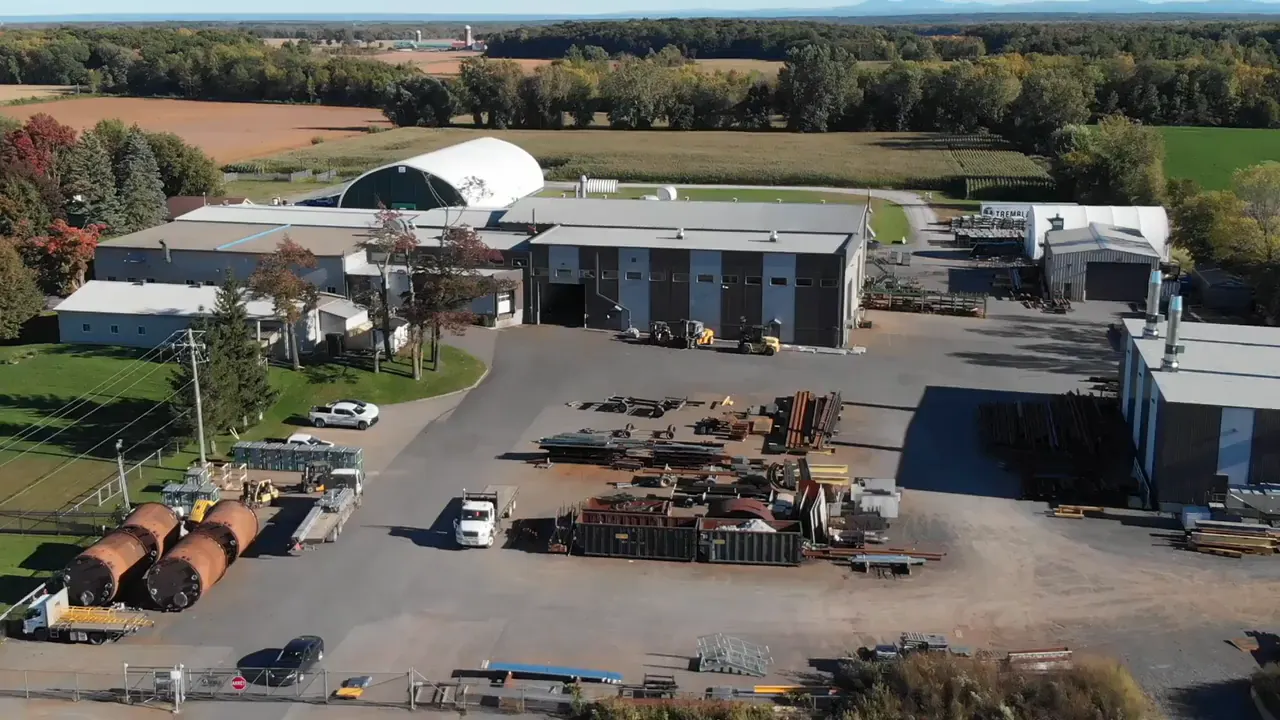
Placatech is a division of Groupe Tremblay, which specializes in steel fabrication and processing, on-site structure management, industrial maintenance, scaffolding, industrial cladding, engineering and detailing, and the production and recycling of cathode plates.
Looking to place an order?
Cathode plate production, or repair and recycling of aluminum cathodes: describe what you need and our Saint-Anicet team will get back to you.