
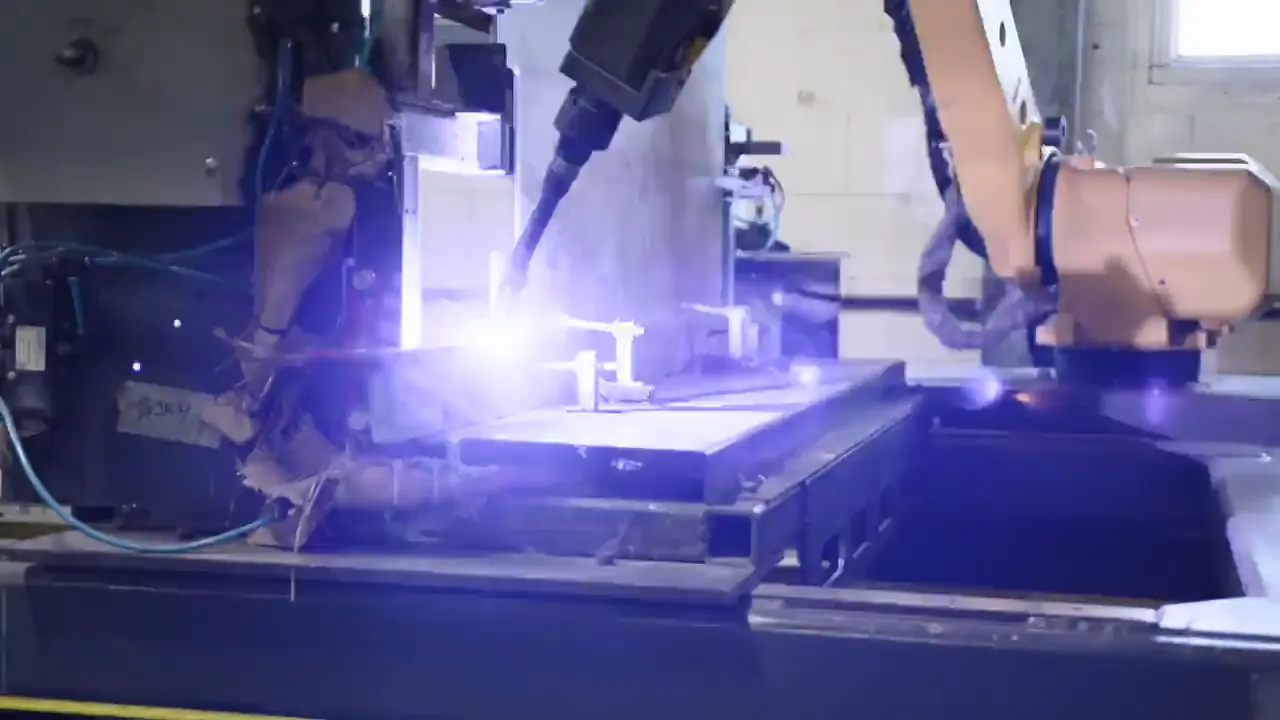
Friction stir welding
Cathode repair and recycling by FSW
Our robotic friction stir welding (FSW) cell recovers between 40% and 80% of a cathode plate, with no consumables or gases.
Why recycle a cathode
Cathodes have a limited lifespan, generally 12 to 18 months, but a significant proportion of the material remains viable and retains its properties.
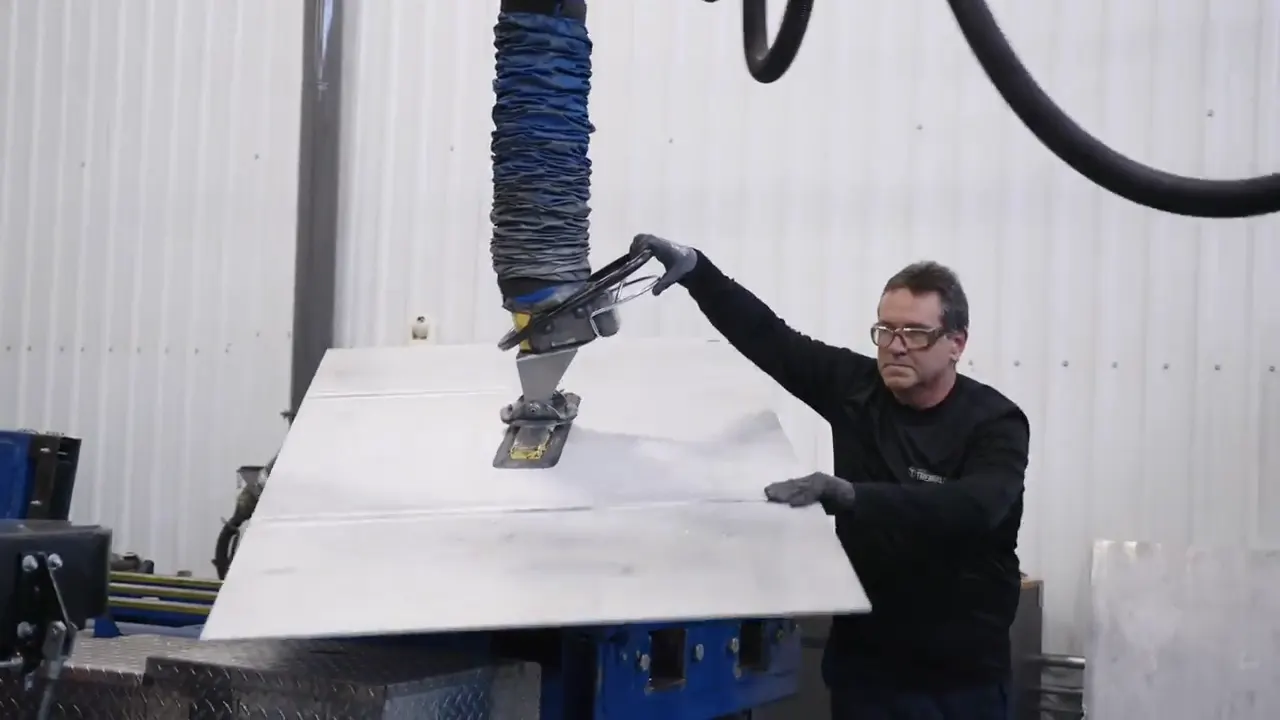
Working with partners, we developed an innovative process to recycle used plates. For our clients, recycling a cathode instead of buying new sheets means 20 to 30% savings.
The FSW process
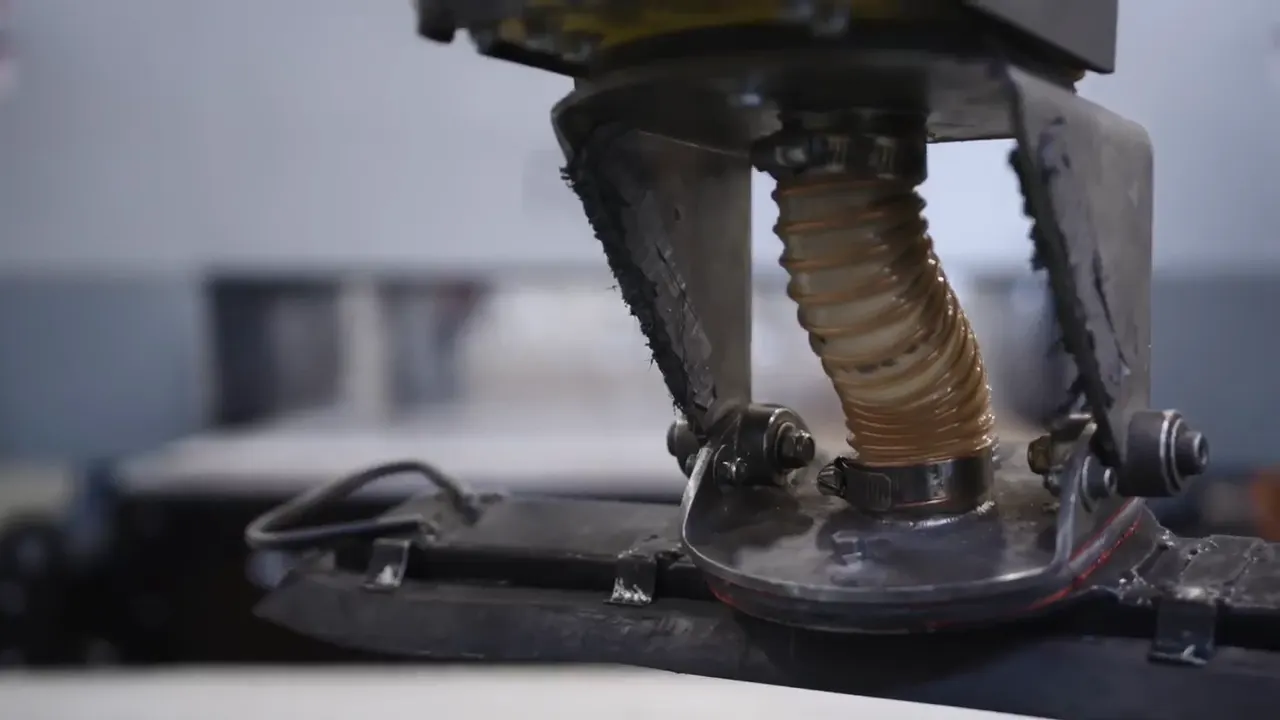
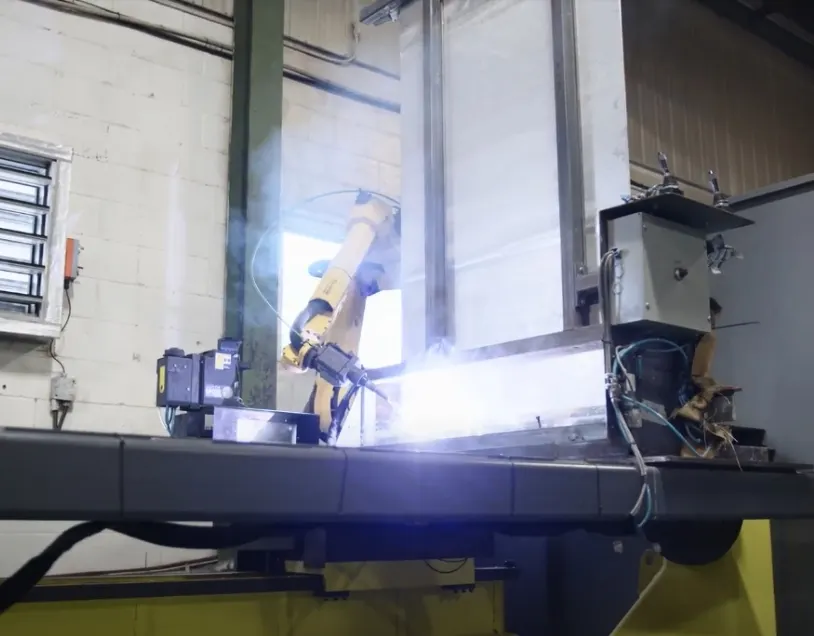
Using friction stir welding, we built a robotic installation in our plant that repairs or recycles aluminum cathodes.
FSW recycles the raw material without consumables or gases, which makes the process both cost-effective and environmentally responsible. It also makes it possible to automate the welding.
No consumables or gases
The joint is formed by friction and stirring of the metal, reducing waste and pollution.
Robotic
Fast, high-quality and cost-effective with an automated cell.
Patented
A patent we operate exclusively.
FSW recycling in numbers
- 40–80%
of a cathode plate recovered
- 60,000+
welds performed with FSW
- 22.4%
of plates in production made with FSW since 2021
- 20–30%
savings compared with buying new sheets
2015
A first in Canada
In 2015, Soudure JM Tremblay unveiled the first robotic friction stir welding cell in production in Canada. It was the result of five years of research and development with the National Research Council of Canada (NRC) and numerous partners.
Developed to extend the life of cathode plates, the innovation also opens the door to sectors beyond mining, such as transportation and aerospace. Since it was commissioned, we have kept investing in research and development to improve the process.
Can your used cathodes be recovered?
Tell us about your aluminum cathodes and their condition, and our team will assess what the FSW process can recover.